7 Common Mistakes to Avoid When Searching for Land in Arkansas
Buying rural land in Arkansas is a goal for many people. Maybe you are looking for a quiet place in the Ozarks, a future cabin site, a weekend getaway near the water, or a long-term investment you can hold onto.
Arkansas has a lot to offer, but buying land is different from buying a traditional house. There may not be a roof to inspect or a kitchen to walk through, but there are still important details that can affect how you use the property.
At Hopson Land Investments, we believe buyers should understand what they are getting before they buy. We would rather help you walk away from a property that does not fit your plans than see you end up with land you cannot use the way you hoped.
If you are searching for rural land for sale in Arkansas, here are seven common mistakes to watch for and how to avoid them.
1. Falling in Love Before Verifying Legal Access
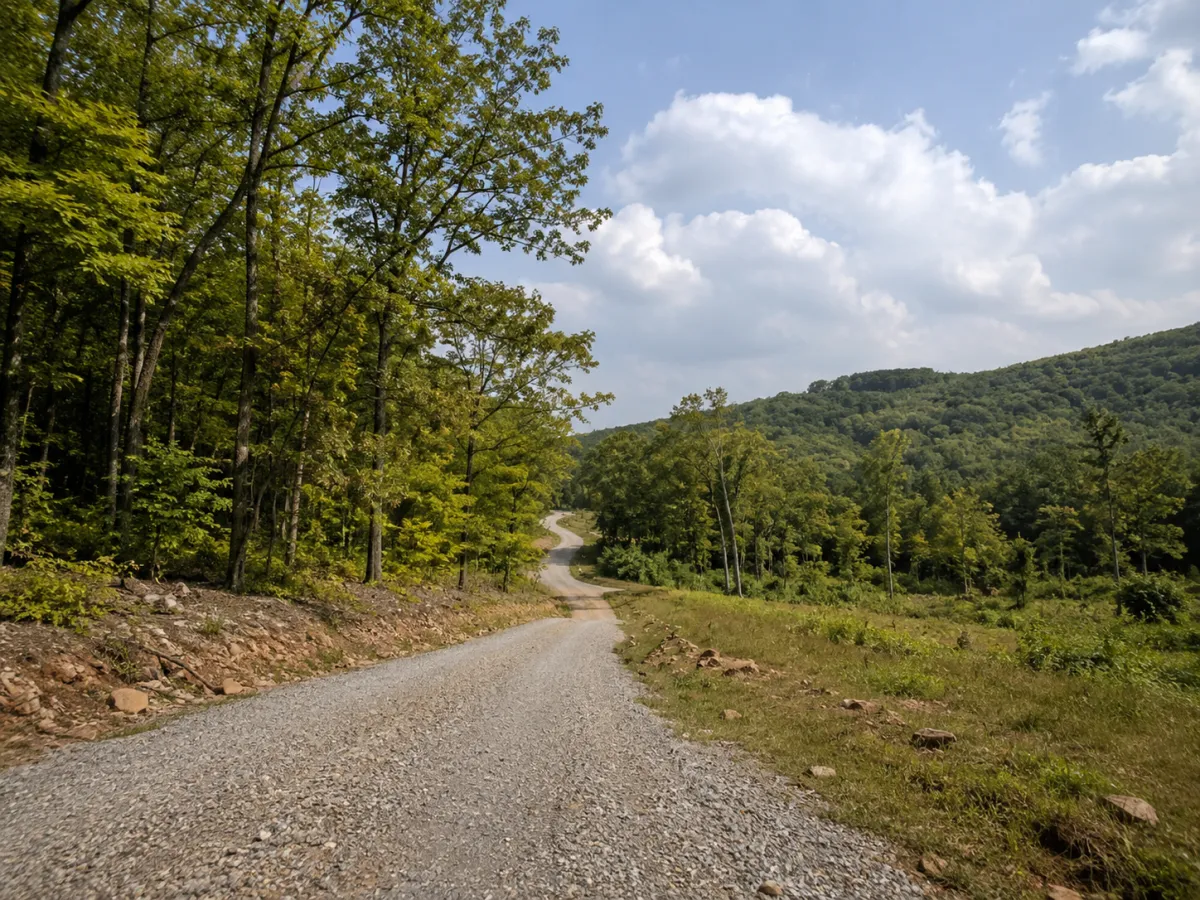
It is easy to fall in love with a wooded lot, a quiet gravel road, or a beautiful Ozark view. But before you get too attached, one of the first questions to ask is simple:
Can you legally and reliably get to the property?
A road on a map does not always mean there is legal access. A visible trail, an old driveway, or a neighbor's verbal permission may not be enough. Some rural properties can be difficult to access if there is no public road frontage, platted road, or recorded easement.
Without legal access, you may have trouble reaching the land, getting utilities installed, obtaining permits, or reselling the property later.
How to fix it
Before buying, ask how the property is legally accessed. Look for public road frontage, a platted road, or a recorded easement. If the property is reached by a gravel or dirt road, it is also smart to visit after rain if possible so you can see whether the road stays passable.
Access is not the most exciting part of buying land, but it is one of the most important.
2. Assuming "Utilities Nearby" Means Utilities Are Cheap
Many land listings say things like "utilities nearby" or "electric available." Those phrases can be helpful, but they do not always tell the full story.
In rural Arkansas, "nearby" could mean the utilities are close and practical, or it could mean they are far enough away to become expensive. Running electric lines, extending water service, drilling a well, or installing septic can sometimes cost more than buyers expect.
In many rural areas, there may not be city sewer available. If you plan to build, you may need a septic system. Rocky Ozark terrain or poor soil conditions can make septic planning more complicated.
How to fix it
Before buying, contact the local electric provider and water department directly. Ask whether service is available to that specific parcel and what steps would be required to connect.
If you plan to build, ask the county or a local professional about septic requirements. A perc test or soil evaluation may be needed before you know what type of septic system could work.
Do not rely only on the words "utilities nearby." Get details.
3. Skipping the Restrictions Check
Some buyers search for rural land because they want freedom, space, and fewer rules. That makes sense. But rural land does not always mean there are no restrictions.
Even outside city limits, some subdivisions may have a Bill of Assurance, covenants, POA rules, or other recorded restrictions. In places like Horseshoe Bend and other established communities, these rules can affect how the land may be used.
Restrictions may cover things like:
Minimum home size
Mobile homes
RV use or camping
Short-term rentals
Setbacks
Livestock
Nuisance rules
Building requirements
The mistake is assuming that because land looks rural, you can automatically do anything you want with it.
How to fix it
Ask the seller for any known restrictions, covenants, or Bill of Assurance documents. You can also check with the county clerk, city, POA, or subdivision office when applicable.
Before you buy, compare the restrictions to your actual plans. If you want to camp, bring an RV, build small, move a mobile home onto the property, or hold the land for future use, make sure the rules allow it.
4. Not Checking the Terrain Closely
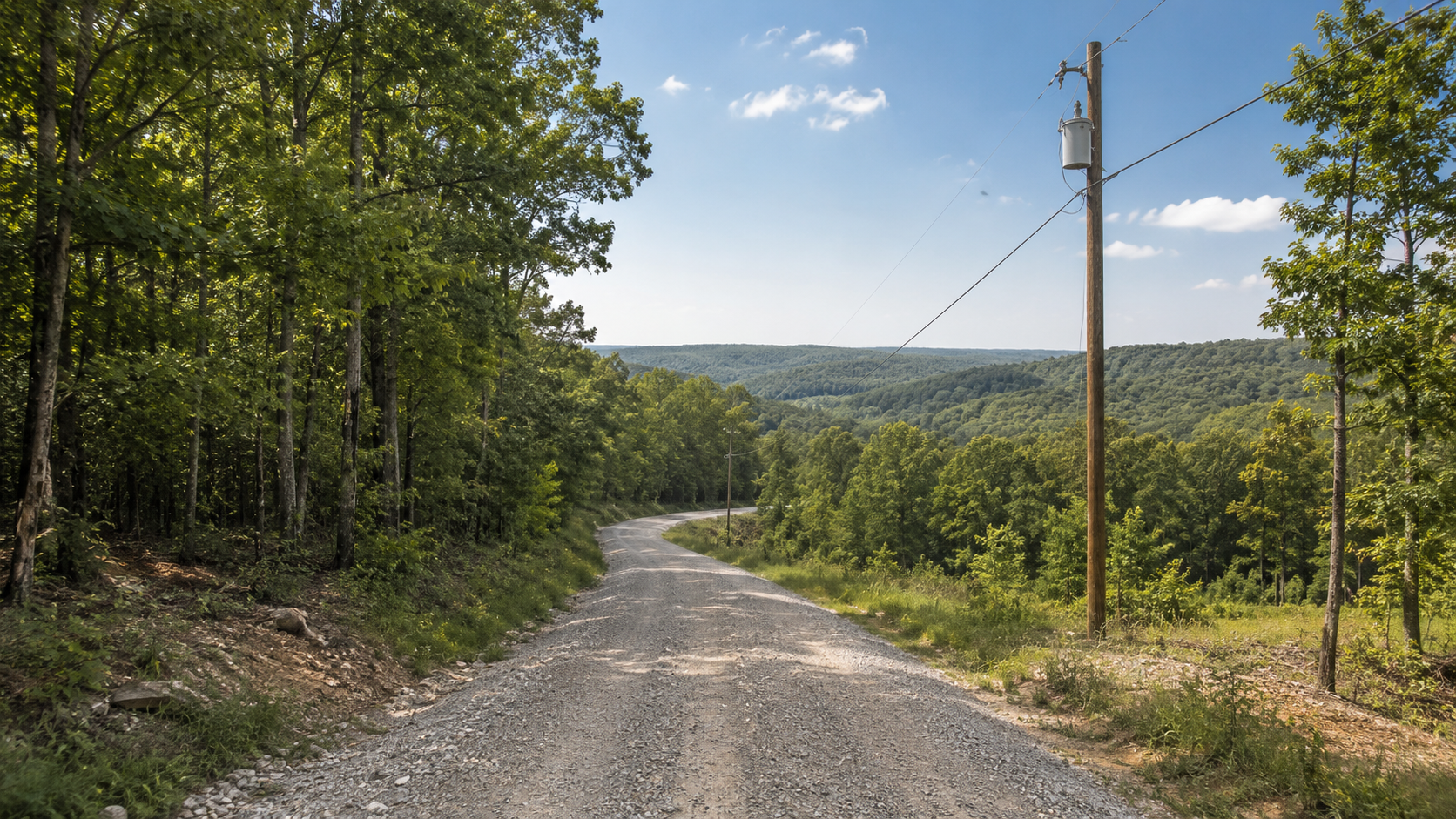
Photos can be deceiving. A property may look level in listing pictures, but the actual land could be steep, rocky, heavily wooded, or difficult to build on.
This is especially important in the Ozarks, where terrain can change quickly. A sloped lot may still be useful, but it can affect driveway placement, building costs, septic options, and how easy the property is to walk or maintain.
Another thing to watch for is drainage. A dry-looking area in summer may hold water during rainy seasons.
How to fix it
Use tools like Google Earth, county mapping, or topography maps to get a better sense of slope and elevation. If possible, walk the property in person or have someone you trust look at it.
When you visit, pay attention to:
Slope
Drainage
Rock outcroppings
Low areas
Road condition
Usable flat spots
Nearby homes or structures
Signs of standing water
Pretty land is nice. Usable land matters more.
5. Overlooking Ongoing Costs
The purchase price is not the only cost to consider. Many rural lots have yearly property taxes, and some established communities may also have POA fees, SID fees, improvement district fees, or other recurring costs.
These fees are not always large, but they still matter. If you are buying affordable land on owner financing, you need to understand the full monthly and yearly cost before you commit.
Some areas may also have past-due taxes, unpaid fees, or special assessments. Those should be reviewed before purchase.
How to fix it
Ask for a clear breakdown of recurring costs before you buy. At minimum, ask about:
Property taxes
POA fees
SID or improvement district fees
Parks or community fees
Any known past-due balances
Any transfer or recording-related costs
At Hopson Land Investments, we try to explain taxes and known fees clearly before paperwork is signed, because buyers should not have to guess what they are agreeing to.
6. Not Understanding How Owner Financing Works
Many people search for Arkansas land for sale with owner financing because traditional banks do not always make land loans easy. Banks may require larger down payments, higher interest rates, shorter loan terms, or extra paperwork for raw land.
Owner financing can be a helpful option, but not every owner-financing setup is the same. Some sellers charge high interest, large fees, or unclear payment terms.
Before you sign anything, you should know exactly what your monthly payment is, how much goes toward the purchase price, what fees are included, and when you receive the deed.
How to fix it
Ask the seller to explain the financing terms in plain language.
Good questions include:
What is the down payment?
What is the monthly payment?
Is there interest?
Are there monthly fees?
Are taxes or POA fees included?
Is there a prepayment penalty?
When do I receive the deed?
What happens if I change my mind?
At Hopson Land Investments, we offer a 0% interest owner-financing model on many properties. Your land payment goes toward the purchase price instead of being eaten up by interest. We also keep the paperwork simple and explain the monthly costs before you sign.
You can learn more about our process on our FAQs page.
7. Not Matching the Land to Your Intended Use
One of the biggest mistakes buyers make is buying land based on what they hope it can be instead of what it actually fits.
A property that works well for a long-term investment may not be the right fit for full-time living. A lot that seems perfect for a weekend getaway may not allow RV use. A quiet wooded property may feel peaceful, but it may also be farther from stores, hospitals, internet, or utilities than you expected.
The right property depends on your goal.
How to fix it
Before you start looking seriously, get clear on how you want to use the land.
Ask yourself:
Do I want to build now or later?
Is this for recreation, investment, or future retirement?
Do I need utilities available soon?
Do I want to camp or use an RV?
How far am I willing to drive?
Do I need lake access, road access, or nearby amenities?
Am I comfortable with restrictions?
What monthly payment actually fits my budget?
Once you know your goal, you can judge each property against that goal instead of getting distracted by price, photos, or emotion.
Why We Do Things Differently
At Hopson Land Investments, we are a family-run land business focused on helping buyers understand the details before they buy.
We know land can feel overwhelming at first. Access, utilities, restrictions, taxes, terrain, and financing can all start to run together. Our goal is to make the process simpler and clearer.
We want buyers to feel informed, not pressured.
Whether you are looking for Ozark land for sale in Arkansas, a quiet lot near the water, or affordable land with owner financing, we are here to help you understand what you are looking at and whether it fits your plans.
Ready to Start Your Arkansas Land Search?
You can review our available properties to see current listings in Arkansas and Oklahoma. https://hopsonlandinvestments.com/buy-land
If you have questions about a specific property, reach out before you buy. We are happy to help you understand access, utilities, restrictions, financing, and overall fit. https://hopsonlandinvestments.com/contact-us
There is no such thing as a silly question when it comes to buying land. https://hopsonlandinvestments.com/faqs
Searching for land should feel exciting, not confusing. By avoiding these seven common mistakes, you will already be ahead of many buyers and better prepared to choose land that truly fits your goals.