Beyond the Purchase Price: Arkansas Rural Land Costs
An affordable rural land price is only part of the picture. Buyers should also evaluate access, terrain, driveway needs, utilities, septic options, boundaries, taxes, fees, restrictions, and ongoing maintenance to choose property that fits their intended use and overall budget.
A low purchase price can make a rural property appealing, especially for someone buying land for the first time. But comparing properties by price alone may not provide a complete picture.
The cost of owning and using rural land depends on the property, its location, and what the buyer plans to do with it. A wooded recreational lot will have different needs from land intended for an RV, cabin, homesite, or future project.
This does not mean affordable land is a bad choice or that every property comes with a long list of additional expenses. It simply means buyers should look beyond the advertised price and determine what a particular parcel may require.
Key Takeaways
Start with the intended use because not every buyer needs the same improvements or services.
Verify legal and physical access instead of relying only on a map or visible road.
Consider whether clearing, grading, drainage work, or driveway preparation may be needed.
Research utilities and septic options directly with the appropriate local providers and authorities.
Confirm taxes, association charges, restrictions, and ongoing maintenance responsibilities.
Compare properties based on overall fit—not purchase price alone.
Begin With What You Want to Do With the Land
Before estimating possible costs, buyers should define how they hope to use the property.
Someone purchasing land for occasional recreation may not need electricity, water, septic service, or an improved driveway immediately. A buyer planning to place an RV, build a cabin, or prepare a future homesite may need to investigate those items much sooner.
Useful questions include:
How often will the property be used?
What type of vehicle needs to reach it?
Is a cleared or level area necessary?
Will electricity, water, or wastewater service be needed?
Do local rules allow the intended use?
How much maintenance is the buyer prepared to handle?
Once the intended use is clear, it becomes easier to separate necessary expenses from improvements that may be optional or unnecessary.
Verify Access and Entrance Conditions
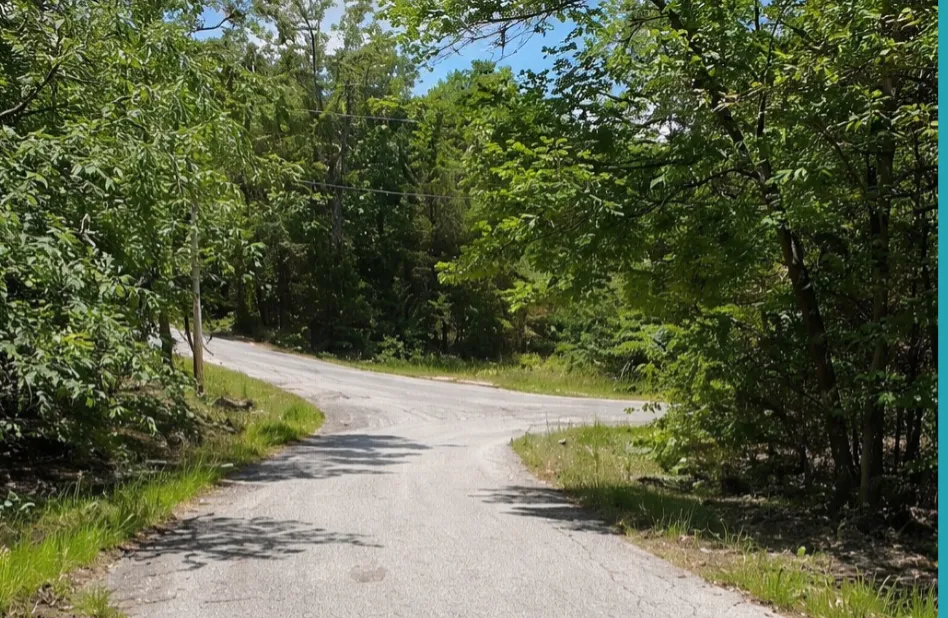
Access involves more than seeing a road near the property.
Buyers should verify whether the parcel has legal access and whether the existing route provides practical physical access. A road appearing on a parcel map does not necessarily confirm the right to use it, and a legally documented route may still be difficult to travel.
The property’s entrance also matters. Some parcels already have a usable driveway or roadside opening. Others may require brush removal, gravel, grading, drainage work, or a culvert before regular vehicle access is practical.
These needs depend on the terrain, road conditions, vehicle type, intended use, and local requirements. Visiting the property when possible can help buyers better understand what an aerial image or listing description may not show.
Look Carefully at Terrain and Drainage
Wooded, rocky, sloped, and uneven land can be attractive and useful. These natural features may also affect where a buyer can park, camp, build, or create an entrance.
A recreational buyer may only want a small open area. Someone planning a cabin or homesite may need more extensive clearing or site preparation. Low areas, slopes, drainage paths, and thick vegetation can also influence where improvements may be practical.
Before purchasing, buyers should consider:
Whether the property has a usable area for the intended purpose
How much vegetation may need to be removed
Whether grading or drainage work appears necessary
Where an entrance, driveway, or future improvement could reasonably go
Whether seasonal conditions could change accessibility
A property does not need to be flat or fully cleared to be worthwhile. The important question is whether its natural features work with the buyer’s plans.
Research Utilities Based on Actual Needs
A nearby utility pole or neighboring connection does not guarantee that service is available to the property. Buyers who need electricity, water, internet, or other services should contact the appropriate providers for property-specific information.
Questions may include:
Does the provider serve this parcel?
Where is the nearest available connection?
What steps are required to establish service?
Are easements, permits, or additional work involved?
Who is responsible for extending service to the planned use area?
Water sources vary by location. Some properties may have access to a public or community system, while others may require a private solution. Internet and cellular coverage can also vary significantly in rural areas.
Not every buyer needs every service. Research should be guided by how the land will actually be used.
Evaluate Septic Options When Appropriate
Septic feasibility becomes relevant when a buyer plans a use that will require wastewater service.
The presence of neighboring homes or septic systems does not automatically confirm what will be approved for another parcel. Soil conditions, terrain, lot size, placement, and local requirements may all affect the available options.
Buyers should contact the appropriate county office, health department, or qualified septic professional to learn what evaluation may be needed. This research may not be necessary for every purchase, but it is an important step when the intended use will require a septic system.
Understand Boundaries and Survey Needs
Online parcel maps and county records are useful research tools, but they may not establish exact property boundaries on the ground.
Some buyers may be comfortable using the information already available for their intended use. Others may need a licensed survey, particularly if they plan to build, install a driveway, place improvements near a boundary, or resolve uncertainty about the parcel’s location.
A survey is not automatically required for every rural land purchase. Buyers should consider what boundary information is available and whether greater precision is needed for their plans.
Confirm Taxes, Charges, and Restrictions
The purchase price is not the only financial obligation associated with owning land.
Depending on the parcel, ongoing expenses may include property taxes, association or property-owner charges, road assessments, or other local fees. Buyers should verify the current amounts and ask whether any unpaid balances are associated with the property.
Restrictions should also be reviewed carefully. They may affect:
Camping or RV use
Minimum building requirements
Animals or livestock
Types of structures
Short-term rentals
Property maintenance
Other planned activities
Rules can come from recorded restrictions, an association, a municipality, a county, or another governing authority. Buyers should verify the requirements that apply to the specific parcel instead of relying only on general descriptions such as “rural” or “unrestricted.”
Plan for Ongoing Maintenance
Even undeveloped land may require occasional upkeep.
Depending on the property and how it is used, maintenance could involve controlling vegetation, removing fallen limbs, maintaining an entrance, adding gravel, caring for drainage areas, repairing fencing, or complying with association standards.
Some buyers prefer to leave their property largely natural. Others want open space and dependable year-round access. Each approach can involve different costs and responsibilities.
Considering maintenance before purchasing helps buyers choose land that fits not only their financial plans, but also the amount of time and work they want to commit.
Compare Overall Fit, Not Just Price
Affordable rural land can be a good opportunity when it matches the buyer’s goals, expectations, and budget.
Not every parcel will need a survey, utility connection, septic evaluation, driveway, clearing, or grading. Even when work is needed, the scope and cost can vary widely based on the property and the buyer’s plans.
A practical comparison should consider:
Intended use
Legal and physical access
Terrain and usable space
Utility and septic needs
Boundaries and survey information
Taxes, fees, and restrictions
Immediate improvements
Ongoing maintenance
The goal is not to find land with no possible expenses. It is to understand what a specific property offers, what it may require, and whether that combination is a comfortable fit.
Hopson Land Investments created A Simple Guide to Buying Land to help first-time buyers ask better questions and evaluate rural property more carefully.
Download A Simple Guide to Buying Land
The guide is a practical starting point for buyer research. Property-specific questions about access, boundaries, utilities, septic systems, building requirements, or legal matters should be confirmed with the appropriate local authority or qualified professional.