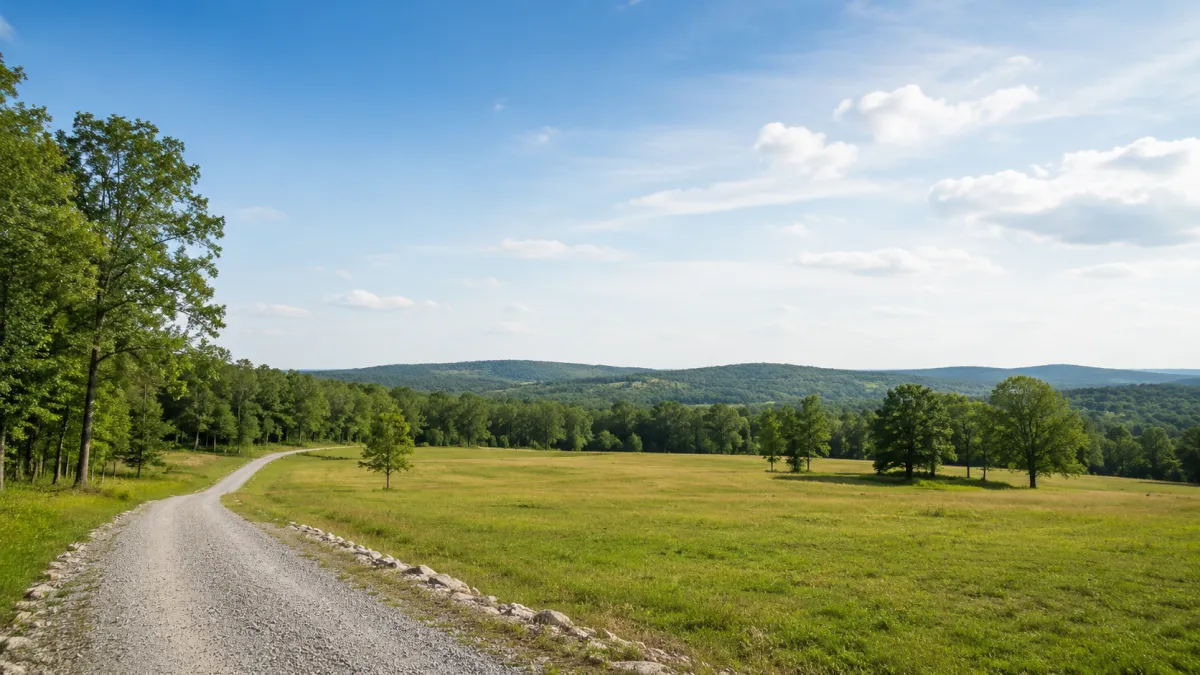
How to Tell If Rural Land Is Usable Before You Buy
How to Tell If Rural Land Is Actually Usable Before You Buy
Buying rural land can be exciting. It is easy to picture a quiet cabin, a weekend campsite, a garden, a future home, or a simple place to get away from the noise.
But before you fall in love with a property, there is one important question to ask:
Is this land actually usable for what I want to do with it?
A property can look beautiful in photos and still come with details that matter. Access, utilities, terrain, restrictions, and local rules can all affect how you use the land. This does not mean the land is bad. It simply means you need to understand what you are buying before you make a decision.
At Hopson Land Investments, we believe buyers should feel informed, not rushed. Whether you are looking at land in Arkansas, the Ozarks, Horseshoe Bend, Lake Tenkiller, or another rural area, taking time to review the basics can help you avoid confusion later.
What Does “Usable Land” Actually Mean?
Usable land does not mean the same thing for every buyer.
For one person, usable land might mean a quiet lot where they can camp on weekends. For someone else, it might mean a future homesite with road access and nearby utilities. Another buyer may simply want an affordable property to hold as a long-term investment.
That is why the first step is not asking, “Is this a good property?”
The better question is:
Is this a good property for my specific plans?
A small wooded lot may be perfect for someone who wants a low-maintenance getaway, but not ideal for someone who wants to build right away. A remote parcel may be great for privacy, but frustrating for someone who needs easy access, power, and water nearby.
Before you buy, get clear on your intended use.
Ask yourself:
Do I want to build now, later, or maybe never?
Do I want to camp or use an RV?
Do I need utilities nearby?
Do I want privacy, lake access, road access, or community amenities?
Am I buying for recreation, investment, or future plans?
Once you know what you want the land to do for you, it becomes much easier to decide whether the property fits.
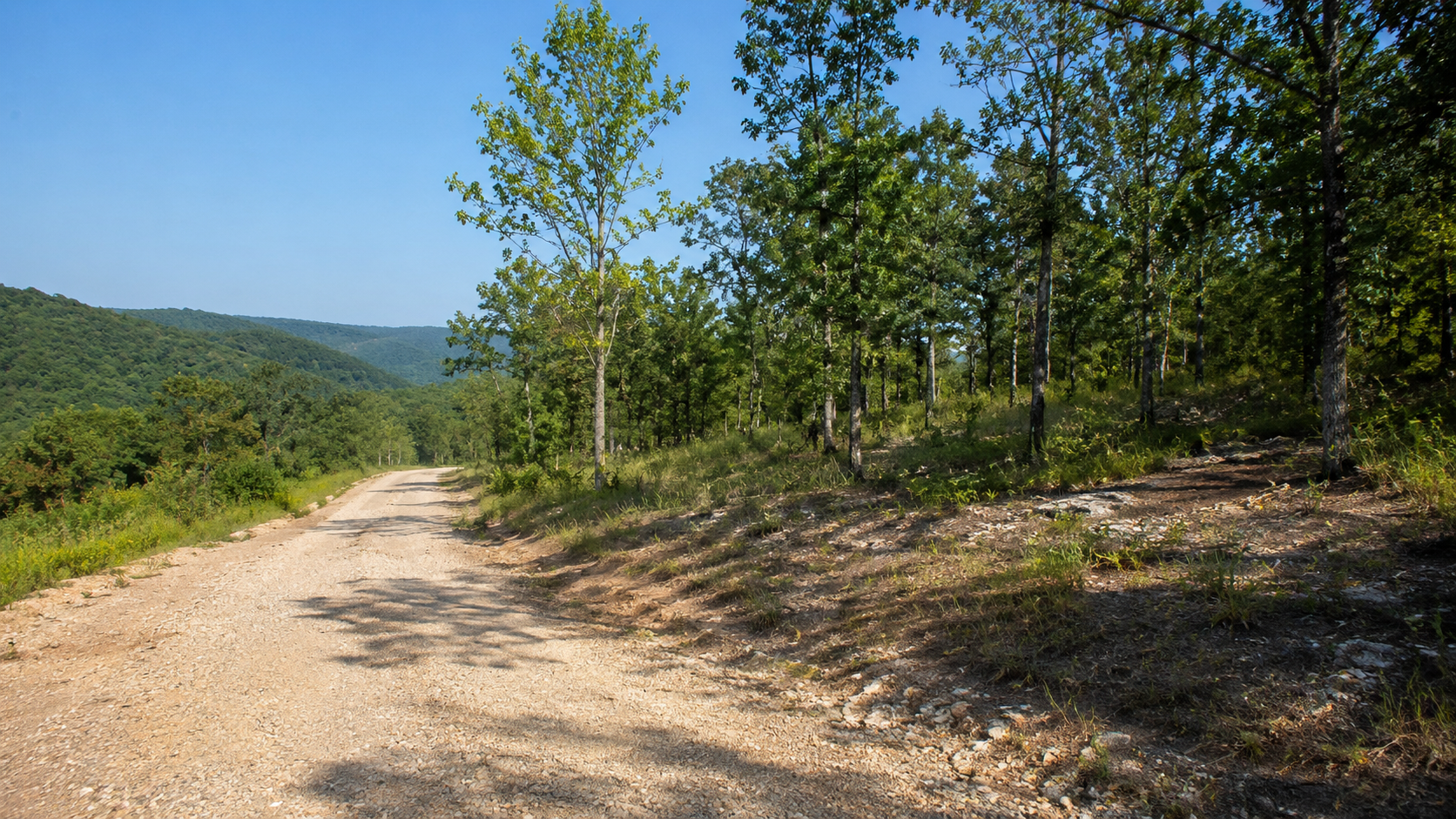
1. Check Legal and Physical Access
Access is one of the most important details to review before buying rural land.
There are two parts to access:
Legal access means you have a legal right to get to the property.
Physical access means you can actually reach the property in real life.
Sometimes a property may appear close to a road on a map, but that does not always mean there is an easy driveway, maintained road, or clear entrance. Rural land can be different from a city lot. Roads may be gravel, private, seasonal, narrow, unimproved, or not clearly marked.
Before buying, ask:
Is there road frontage?
Is the road public or private?
Is the road maintained?
Can a regular vehicle reach the property?
Would you need a truck, 4-wheel drive, or special access?
Is there an easement if the property does not touch a road?
A property with unclear access may still have value, but it may not be a good fit for every buyer. If you want to visit often, camp, build, or bring in materials, access matters a lot.
2. Look at Utilities Before You Assume
Many rural land buyers assume utilities are available because nearby homes or lots have them. That is not always the case.
Before buying, it is wise to check:
Is electric nearby?
Is public water available, or would you need a well?
Is sewer available, or would you need a septic system?
Is internet or cell service important to you?
How far are utilities from the property?
For some buyers, utilities are not urgent. If you are buying a simple recreational lot, you may be comfortable with a more off-grid setup. But if you want to build a home or use the property regularly, utilities become a much bigger part of the decision.
It is also important to understand that “nearby” does not always mean inexpensive to connect. Utility companies, local offices, or contractors can give you better information about connection options and costs.
The main point is simple: do not assume. Verify.
3. Review Restrictions, POA Rules, and Local Requirements
Restrictions can affect how you use a property.
Some rural lots have few restrictions. Others may be part of a subdivision, property owners association, lake community, city, or county area with specific rules.
Depending on the property, rules may affect:
Camping
RV use
Mobile homes
Tiny homes
Minimum square footage
Short-term rentals
Livestock
Storage buildings
Setbacks
Building permits
Property maintenance
This is especially important in areas like Horseshoe Bend, Arkansas, or lake communities near places like Lake Tenkiller, where subdivision or local rules may apply.
Restrictions are not automatically bad. In some communities, they help protect the area and keep things orderly. But they need to match your plans.
For example, if your main goal is to park an RV for weekend use, you should confirm whether RV use is allowed, whether there are time limits, and whether there are any permits or utility requirements.
If your goal is to build later, you should check minimum building size, permitted home types, and local approval steps.
The safest approach is to ask questions before you buy instead of assuming you can use the land any way you want.
4. Consider the Terrain and Layout
Photos can give you a general feel for a property, but they do not always tell the full story.
A lot may look peaceful and wooded, but the slope, drainage, shape, and usable area can affect what you can do with it.
When reviewing land, consider:
Is the property flat, sloped, wooded, rocky, or low-lying?
Is there enough usable space for your plans?
Would clearing be needed?
Is there a natural driveway area?
Could water collect on the property?
Is the lot shape practical?
A sloped lot may be beautiful and private, but it may require more planning if you want to build. A heavily wooded lot may be great for recreation, but may need clearing for a campsite or driveway. A narrow lot may have limitations even if the acreage sounds good.
This is why it helps to look beyond the acreage number. A half-acre lot that is easy to reach and mostly usable may be a better fit than a larger property with difficult access or terrain issues.
5. Match the Property to Your Timeline
Not every buyer wants to use land the same way or on the same timeline.
Some buyers want land they can enjoy soon. Others are buying for the future. Some want affordable monthly payments and time to make plans. Others want a property they can improve right away.
Your timeline matters.
Ask yourself:
Do I want to use the property immediately?
Am I buying now and planning to build later?
Do I need to make improvements soon?
Am I comfortable holding the property as-is?
Does owner financing affect when I can make major changes?
If you are buying with owner financing, make sure you understand the terms before planning improvements. Some sellers may not allow occupancy, permanent structures, or major improvements until the property is paid in full. That is not unusual, but it is something you should know upfront.
A good land purchase is not just about the price. It is about whether the property, rules, and timeline all fit together.
6. Understand the Difference Between Affordable and Usable
Affordable land can be a great opportunity, especially for buyers who do not want to go through a bank. But price should not be the only thing you consider.
A low price is only helpful if the land fits your goals.
Before choosing a property mainly because it is affordable, ask:
Can I access it?
Can I use it the way I want?
Are the restrictions acceptable?
Do I understand the utility situation?
Are there yearly taxes, dues, fees, or maintenance expectations?
Does the property fit my realistic budget beyond the purchase price?
Sometimes the best property is not the cheapest one. It is the one that gives you the clearest path to your intended use.
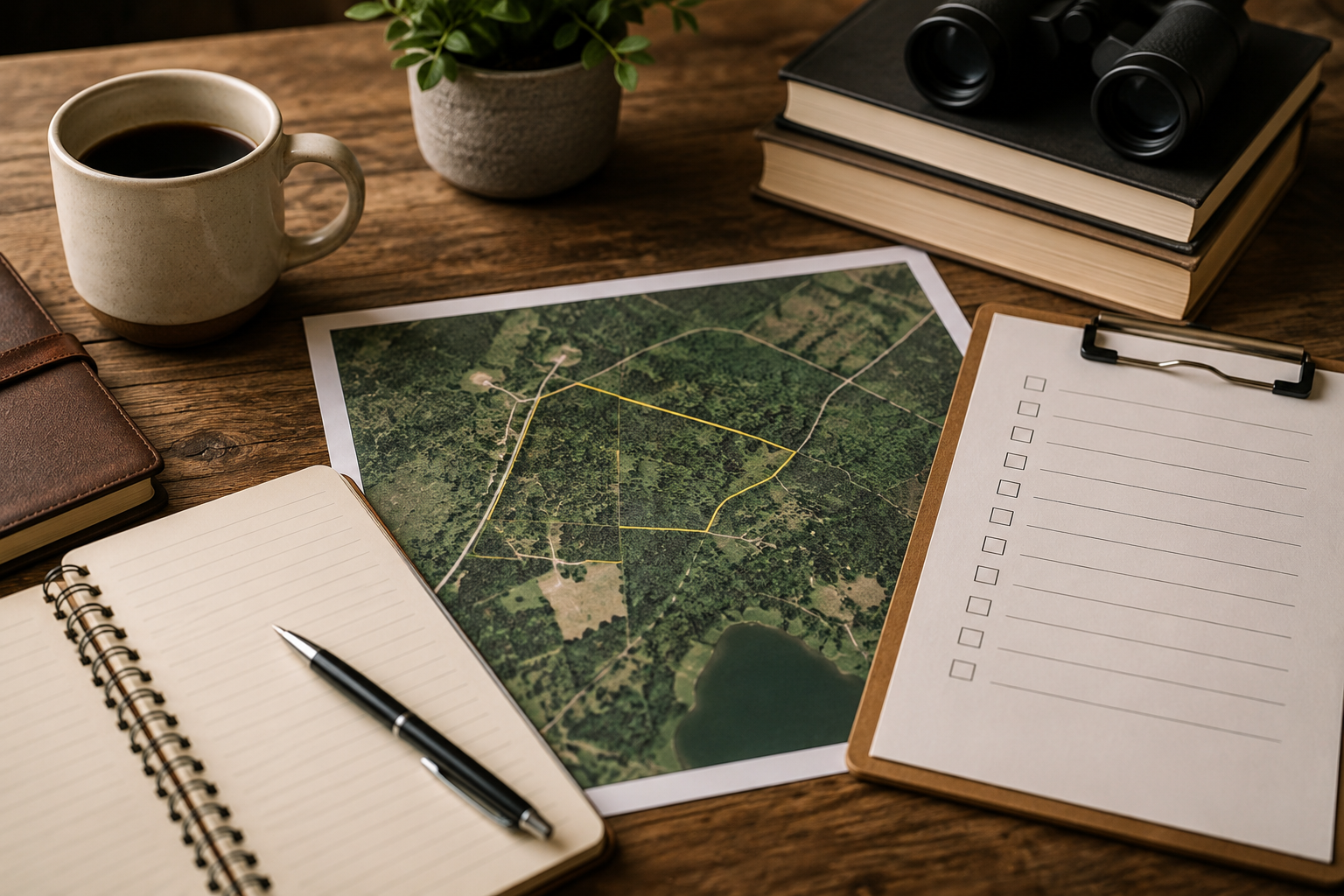
7. Ask Questions Before You Buy
The right questions can save you a lot of stress.
Before purchasing rural land, ask the seller or do your own due diligence on:
Road access
Utilities
Restrictions
Property taxes
POA or community fees
Zoning or local use rules
Terrain
Floodplain concerns
Nearby amenities
Financing terms
Deed process
You do not need to become a land expert overnight. But you do need to slow down enough to understand the basics.
A trustworthy seller should be willing to help you review the information they have, explain what they know, and point you toward the offices or resources you may need to verify details.
A Simple Usability Checklist for Rural Land Buyers
Before buying rural land, use this simple checklist:
Can I legally access the property?
Can I physically reach the property?
Are utilities available, nearby, or not currently available?
Do the restrictions allow my intended use?
Does the terrain fit my plans?
Are there taxes, dues, or fees I need to understand?
Does the property work for my timeline?
Have I verified anything that matters directly to my plans?
If you cannot answer these questions yet, that does not mean you should walk away. It just means you need more information before deciding.
Final Thoughts
Buying rural land should feel exciting, but it should also feel clear.
A beautiful property is only the beginning. Before you buy, take time to understand access, utilities, restrictions, terrain, and how the property fits your goals. The more you know upfront, the more confident you can feel about your decision.
At Hopson Land Investments, we help buyers think through these details before they buy. Whether you are looking for land in Arkansas, the Ozarks, or a quiet rural area for future plans, we want you to understand what you are getting and whether it fits your needs.
If you have questions about available land, owner financing, access, utilities, or restrictions, you are welcome to reach out. We are happy to help you review the basics before you decide.
Frequently Asked Questions
What makes rural land usable?
Rural land is usable when it fits your intended purpose. For example, a property may be usable for recreation but not ideal for building right away. Access, utilities, restrictions, terrain, and local rules all play a role.
Should I buy land if utilities are not already on the property?
It depends on your plans. Some buyers are comfortable with land that does not have utilities yet, especially for recreational or long-term use. If you want to build or use the property often, you should check utility availability and possible connection costs before buying.
Can I camp or park an RV on rural land?
Sometimes, but not always. Camping and RV rules depend on the property location, subdivision restrictions, POA rules, city rules, and county requirements. Always verify before buying if camping or RV use is important to you.