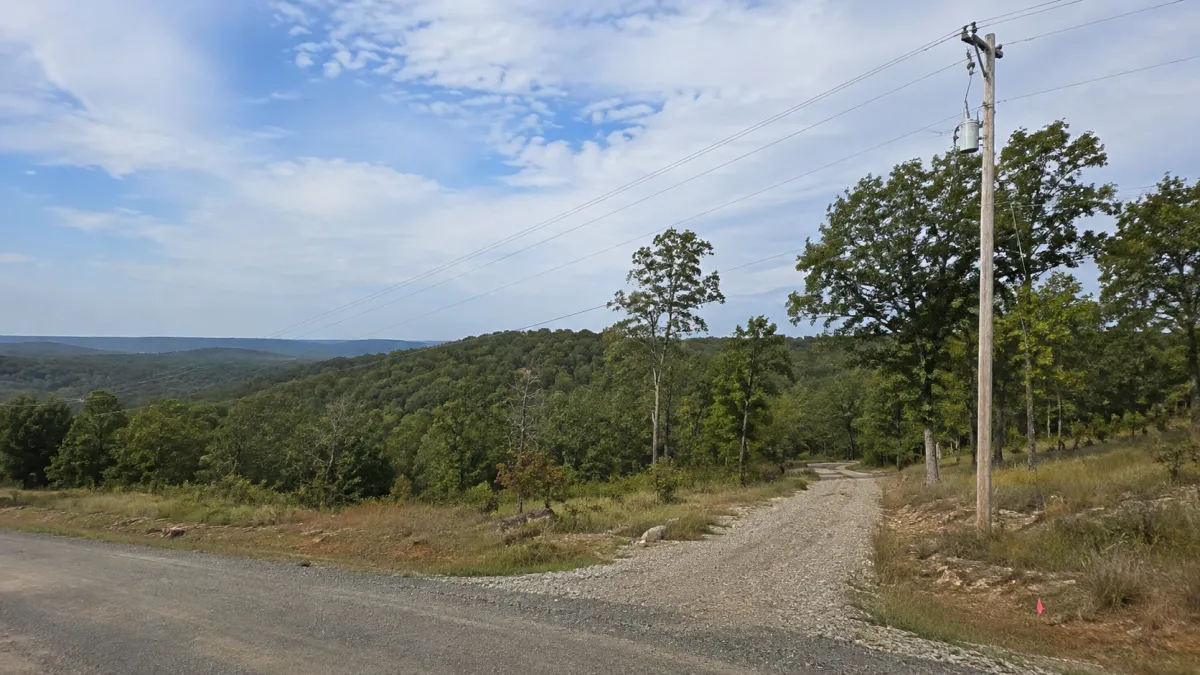
Utilities on Rural Land: What Nearby Really Means
A utility pole, water line, or neighboring connection may look promising, but buyers should verify what service is actually available to the specific parcel before making plans.
Key Takeaways
·A utility being visible or nearby does not necessarily mean it can be connected easily or affordably.
·Identify the correct provider and ask about the specific parcel rather than relying only on a map, listing, or nearby home.
·Extension costs and timelines may depend on distance, terrain, road crossings, easements, equipment, and provider requirements.
·Private wells and septic systems require separate, site-specific research; neighboring systems do not guarantee the same result on another parcel.
·Start with your intended use so you can determine which services you truly need now and which may be part of a future plan.
Seeing a utility pole near rural land can be encouraging. So can hearing that water, internet, or electricity is “available in the area.” But those statements do not always answer the question a buyer actually needs answered: Can this specific property receive the service, what would be required, and what might it cost?
Rural utilities are rarely a simple yes-or-no issue. A parcel may be inside a provider’s service area but still require a line extension. A water line may run along a road but not have an existing tap for the property. A neighboring lot may have a well or septic system, while the parcel being considered still needs its own evaluation.
This does not mean that rural property without existing connections is a poor choice. Many buyers intentionally purchase undeveloped land and plan improvements over time. The important step is understanding what is confirmed, what is only nearby, and what still needs to be researched before the property is expected to support a particular use.
“Nearby,” “Available,” and “Connected” Are Not the Same
Utility descriptions can sound similar even though they mean very different things. Before comparing properties, it helps to separate four common situations:
·Visible nearby: A pole, line, meter, hydrant, or utility marker can be seen near the parcel, but no provider has confirmed service to it.
·Inside a service area: A company or cooperative may serve the general location, but the parcel may still require an engineering review, extension, easement, or other work.
·Available for connection: The provider has reviewed the parcel and explained the requirements for establishing service.
·Already connected: The parcel has existing service infrastructure, such as an active or previously active meter, tap, or approved system. The buyer should still verify its present condition and reactivation requirements.
A listing may accurately say that utilities are nearby while leaving several practical questions unanswered. Buyers should ask what that statement is based on and then verify the details with the appropriate provider.
Electricity: A Pole Near the Lot Is Only the Starting Point
Electric service is one of the easiest utilities to notice because poles and overhead lines are visible. However, a line passing the property does not automatically confirm that the lot has a service connection or that a new connection will be simple.
The electric provider may need to determine whether its facilities can serve the proposed location. Depending on the property and the buyer’s plans, the process could involve a new meter loop, transformer, service pole, underground line, line extension, easement, site clearing, or licensed electrical work.
Useful questions for the electric provider include:
·Is this parcel within your service territory?
·Where is the nearest confirmed service point for this parcel?
·Would a line extension, transformer, road crossing, or easement be required?
·Does the provider need a site plan, address, permit, or inspection before estimating the work?
·Which expenses belong to the provider, and which would belong to the property owner?
·What should be completed before any clearing, trenching, or electrical construction begins?
When possible, give the provider the parcel number, legal description, road name, and a map showing the approximate property location. A general address search may not identify an undeveloped parcel correctly.
Water: Confirm the Source and the Connection Requirements
Rural land may rely on public water, a community or subdivision system, a private well, or another approved source. Each option comes with different questions.
Public or Community Water
If a public or community line is believed to be nearby, ask the provider whether the parcel is eligible for a new tap and where the nearest usable line is located. Also ask about tap or meter fees, line-extension responsibilities, road-boring requirements, capacity, and the expected timeline.
A water line on the opposite side of a road or farther down the road may require more work than its appearance suggests. Terrain, rights-of-way, easements, and provider rules can all affect the connection.
Private Wells
If the property would need a private well, nearby wells can provide useful background but do not guarantee the same depth, yield, water quality, or drilling cost on another parcel. Buyers may want to speak with local well professionals and the appropriate agencies about typical conditions, testing, setbacks, and any permitting requirements that apply to their plans.
Wastewater: Sewer and Septic Require Their Own Research
Wastewater planning is just as important as finding a water source. If public sewer is available, buyers should verify where the line is located, whether the parcel can connect, and what fees or extensions may be required.
Many rural properties instead use onsite wastewater systems, commonly called septic systems. The suitability of an onsite system depends on the specific site and proposed use. Soil conditions, available space, setbacks, terrain, drainage, and the planned number of bedrooms can influence the design.
In Arkansas, the Department of Health advises property owners to contact the health unit in the county where the property is located and ask for the Onsite Environmental Specialist. That office can explain the process and provide information about licensed professionals who perform soil tests and design systems.
A neighboring septic system does not prove that another lot will qualify for the same type of system. Likewise, acreage alone does not answer the question. A site-specific evaluation is the reliable next step.
Internet and Cell Service: Check at the Property
Internet and cell coverage can vary significantly in rural areas, even within the same road or subdivision. Coverage maps and address-lookup tools are useful starting points, but they may not reflect tree cover, hills, network congestion, installation requirements, or whether an undeveloped parcel has a recognized service address.
If internet access is important for remote work, security cameras, streaming, or daily communication, check more than one option. Depending on the location, buyers may consider wired service, fixed wireless, cellular service, or satellite service. Testing a phone at the actual property and speaking directly with providers can give a more realistic picture than relying on a general coverage claim.
Do Not Forget Propane, Trash, and Other Practical Services
Not every rural utility arrives through a permanent line. Some properties use propane for heating or cooking, private trash service, hauled water, or other location-specific solutions. These services may require adequate road access, a safe delivery area, equipment placement, and ongoing service availability.
A buyer who only checks electricity and water may overlook practical issues that affect everyday use. Think through how the property would receive fuel, waste collection, deliveries, emergency service, and routine maintenance.
What Can Affect the Cost of Bringing in Utilities?
Even when service can be established, the cost and timeline may vary. Factors can include:
·Distance from the provider’s existing infrastructure
·Whether the line must cross a public road, private road, drainage area, or neighboring property
·Rocky, wooded, steep, or difficult terrain
·Clearing, trenching, boring, poles, transformers, pumps, or other equipment
·Required easements, rights-of-way, permits, inspections, or licensed contractors
·The location of the planned driveway, home, cabin, RV area, or other improvement
·Provider schedules, material availability, and construction timelines
This is why a neighbor’s connection cost may not apply to the property next door. Buyers should use general estimates only for early planning and seek property-specific information before setting a firm budget.
Match the Utility Plan to Your Intended Use
Not every buyer needs the same services immediately. A wooded recreational parcel may have different needs from a future homesite. A buyer planning occasional daytime visits may evaluate the property differently from someone hoping to work remotely, stay in an RV, or build a full-time home.
Before calling providers, write down what you realistically hope to do with the land and when. This helps you ask better questions and avoid paying for services that do not match your plan.
If you are purchasing with owner financing, also review the purchase terms before installing utilities or making improvements. Some agreements limit occupancy, construction, or major improvements until the property is paid in full.
A Simple Utility-Verification Process
1.Define your intended use. Decide whether the land is for recreation, a future homesite, an RV, a cabin, investment, or another purpose.
2.Ask what is known. Request the seller’s available information, but separate confirmed documentation from general observations.
3.Identify the correct providers. Determine which electric, water, sewer, internet, and other companies serve the general area.
4.Use parcel-specific information. Provide the parcel number, legal description, road location, and map rather than relying only on a street address.
5.Ask about requirements, cost, and timing. Find out whether the provider needs a site visit, application, engineering review, easement, permit, or contractor work.
6.Research private systems separately. If the land needs a well or septic system, contact the appropriate local offices and qualified professionals.
7.Compare the utility plan with the full property. Consider access, terrain, restrictions, purchase terms, and total improvement costs before deciding whether the parcel fits.
Questions to Save Before You Call
·Does your company serve this exact parcel?
·What is the nearest confirmed service point?
·Is an extension, easement, road crossing, or engineering review required?
·What applications, deposits, fees, inspections, or permits may apply?
·Can you provide a written estimate or arrange a site visit?
·What work must the property owner complete?
·What is the current estimated timeline?
·Are there any service limitations that could affect the intended use?
Final Thoughts
Utilities should be evaluated with the same care as access, terrain, restrictions, and price. A nearby pole or line can be a helpful sign, but it should begin the research rather than end it.
The goal is not to find land where every service is already installed. The goal is to understand what the property offers today, what may be possible, and whether the likely cost and timeline fit your plans.
If you are comparing rural properties, start with A Simple Guide to Buying Land for a practical overview of the buying process. You can also browse available Arkansas properties, review our frequently asked questions, or contact Hopson Land Investments if you have questions about what is known for a particular property.
Information in this article is for general educational purposes. Utility availability, rules, costs, and property conditions vary. Buyers should verify information with the applicable utility providers, county or city offices, health departments, licensed professionals, and other appropriate sources before purchasing or improving land.