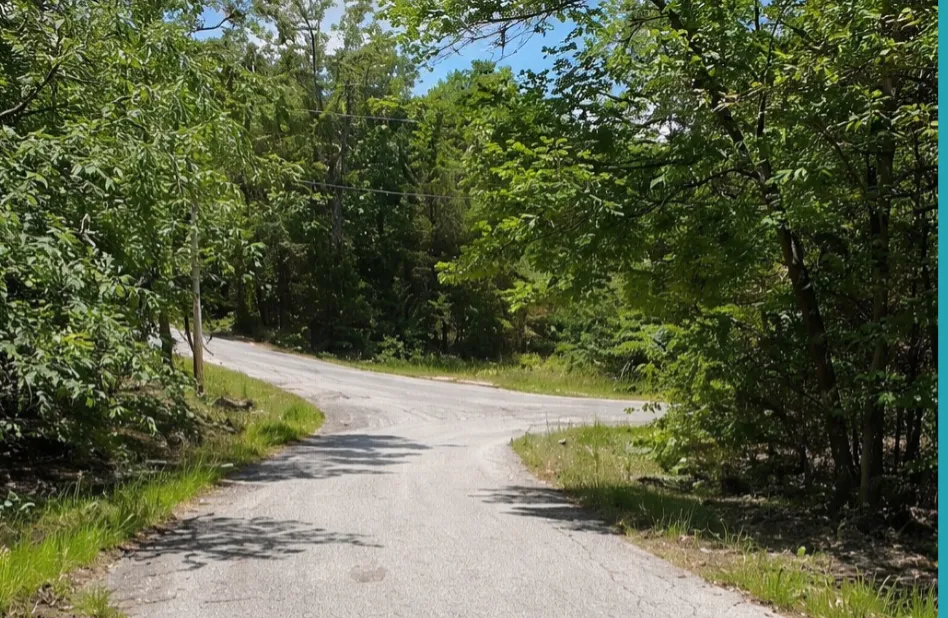
Verify Road Access Before Buying Rural Land
Before you fall in love with a quiet Arkansas hollow or an open Oklahoma meadow, it is important to confirm one simple but critical detail: can you legally and practically get to the property?
Road access is one of the most important parts of rural land due diligence. It can affect how you use the land, how easy it is to visit, what improvements may be possible, and how confident you feel before buying.
At Hopson Land Investments, we encourage buyers to ask access questions early so they understand the property before making a decision.
Why Road Access Matters
When people picture their ideal rural property, they often focus on trees, views, privacy, water features, or future plans. Those things matter, but access matters first.
If access is unclear, difficult, seasonal, or not legally documented, the property may not fit your plans.
Road access can affect:
Everyday use: If the road is rough, unclear, gated, or unreliable, visiting the property may be more difficult than expected.
Future improvements: Building, placing materials, or bringing in equipment usually requires dependable access.
Utilities and services: Utility providers, emergency services, contractors, and delivery vehicles need a way to reach the property.
Resale value: Buyers often feel more confident when access is clear and easier to understand.
A property may still be a good fit, but buyers should understand the access situation before moving forward.
Legal Access vs. Practical Access
When checking rural land access, there are two different questions to ask:
Do you have a legal right to access the property?
Can you realistically use that access in the way you need?
Both matter.
Legal access
Legal access refers to whether there is a documented right to reach the property. This may come from a public road, a platted road, or a recorded easement.
Questions to ask include:
Does a public road touch the property?
Is the road county-maintained, private, or part of a subdivision?
If access crosses another property, is there a recorded easement?
Is the access shown on the deed, plat, survey, or county records?
A visible road or trail does not always mean there is a legal right to use it. That is why recorded documents matter.
Practical access
Practical access is about what it is actually like to get to the property.
Questions to ask include:
Is the road paved, gravel, dirt, or unimproved?
Does the road appear passable after rain?
Are there steep hills, low-water crossings, gates, or tight turns?
Would the road work for your vehicle?
Could larger vehicles, utility crews, or contractors reach the property if needed?
A property may technically have access but still be difficult for some buyers to reach. Understanding both legal and practical access helps you decide whether the land truly fits your plans.
How Maps Can Help
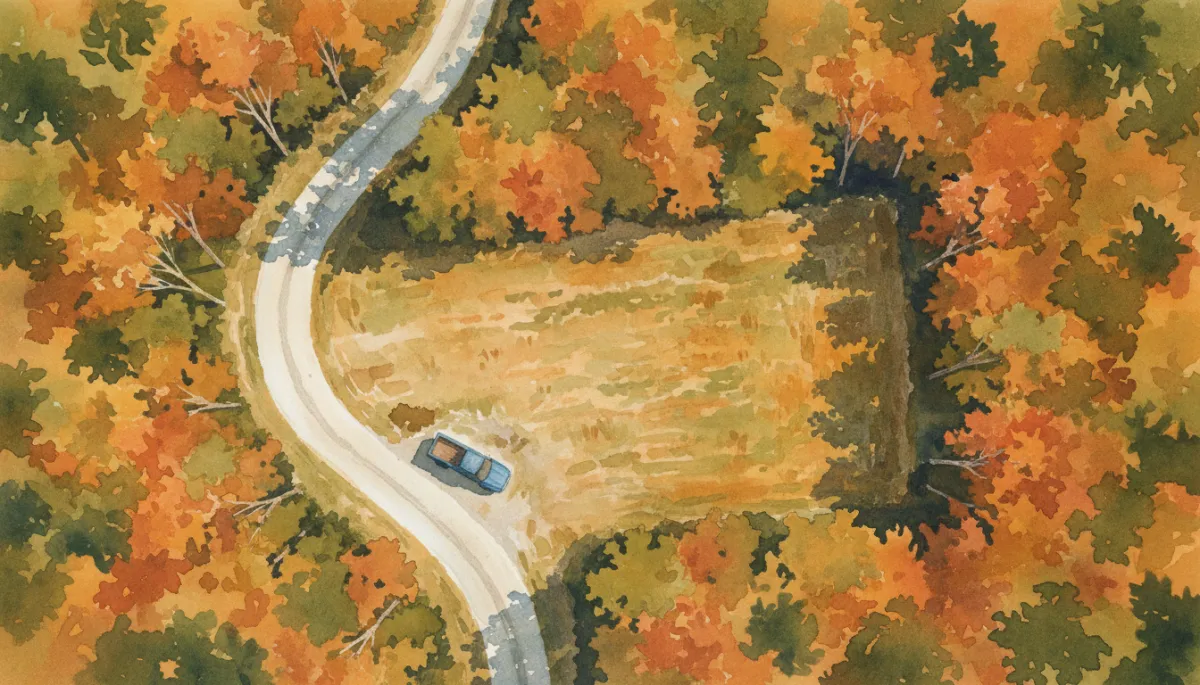
Online maps are a helpful starting point when researching rural land.
You can use maps to:
Trace the road from the nearest town or highway to the property
See whether the road appears named or marked
Compare satellite view with parcel maps
Look for nearby homes, utilities, roads, or development
Check whether the property appears to touch a road or access route
Maps can help you understand the area before visiting, but they do not tell the whole story.
Satellite images may be outdated. Some roads may look passable online but feel very different in person. Other roads may appear faint on a map but still be usable depending on the local area and property rules.
Why Visiting the Property Still Matters
When possible, buyers should visit the property or have someone they trust look at it.
A visit can help you see:
Road condition
Drainage issues
Gates or barriers
Neighboring properties
Signage
Terrain
Cell service
How comfortable you feel with the route
This is especially important if you plan to use the land regularly, bring family, improve the property later, or rely on certain vehicle access.
Questions to Ask Before Buying
A trustworthy seller should be willing to answer access questions clearly.
Before buying rural land, ask:
How do I get to the property?
Is the access public, private, or through an easement?
Who maintains the road?
Is the road passable year-round?
Are there gates or locked entrances?
Can I see the property on a map or county GIS?
Are there any known access limitations?
The goal is not to make the process complicated. The goal is to make sure you understand what you are buying.
Moving Forward with Confidence
Road access may not be the most exciting part of buying rural land, but it is one of the most important.
Before making a decision, take time to review maps, ask questions, check documents when available, and visit the property when possible. Clear access information can help you avoid confusion and choose land that better fits your plans.
If you are considering land in Arkansas or Oklahoma, Hopson Land Investments is here to help you understand the details. We can walk you through access, utilities, restrictions, owner-financing options when available, and other important property information before you decide.