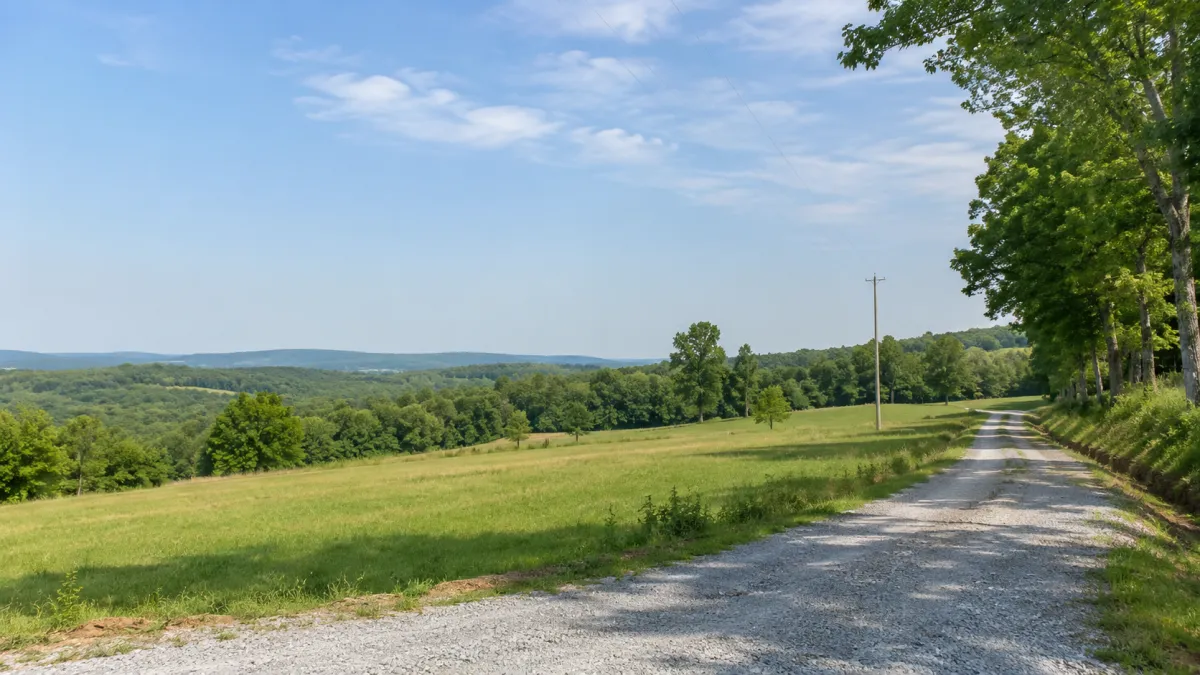
What Does Usable Land Really Mean When Buying Vacant Land?
When buyers ask whether a piece of vacant land is “good land,” they are often looking for a simple yes-or-no answer.
But rural land is rarely that simple.
A property that works well for one buyer may be completely wrong for another. A wooded lot could be a peaceful recreational property for someone who wants privacy, but it may require more preparation than another buyer wants for a future homesite. A small subdivision lot may work for someone planning to build later, while offering little value to a buyer who wants acreage for hunting or livestock.
That is why the better question is not:
“Is this good land?”
The better question is:
“Is this land usable for what I want to do?”
Usable land is not defined by price, acreage, trees, views, or how attractive the listing photos look. It depends on whether the property’s access, rules, terrain, utilities, and other practical details support your intended use.
Usable Land Depends on Your Goal
Before looking at properties, start by deciding what you actually want the land to do for you.
Are you looking for:
A place to build a home someday?
A weekend getaway?
Recreational land?
A place to camp occasionally?
Land for an RV?
A long-term investment?
A quiet property near a lake or outdoor recreation?
An affordable way to begin owning real estate?
These uses may sound similar, but they can require very different property features.
A buyer looking for a future homesite may care most about road access, utilities, soil conditions, terrain, building requirements, and neighborhood restrictions.
A buyer purchasing land as a long-term investment may be more flexible about whether utilities are immediately available, but still needs to understand access, taxes, fees, restrictions, and resale considerations.
A recreational buyer may prioritize privacy, natural surroundings, and proximity to outdoor activities. However, that buyer still needs to verify whether camping, RV use, or other planned activities are permitted.
There is no single definition of usable land that applies to every buyer. The definition starts with your purpose.
A Camping Property Is Different From a Homesite
It is easy to see a wooded rural lot and imagine placing a camper there for weekends.
However, owning vacant land does not automatically mean you can camp on it whenever you want. Counties, cities, subdivisions, property owners’ associations, sanitation rules, and recorded restrictions may all affect how the property can be used.
Some areas allow temporary camping but limit the number of days. Others may allow an RV only while a permitted home is being built. Certain subdivisions may not allow long-term RV use at all.
A future homesite has a different set of considerations.
You may need to investigate:
Minimum home sizes
Permitted building types
Setback requirements
Septic or sewer options
Water availability
Electrical service
Driveway access
Terrain and drainage
Building permits
Subdivision or architectural restrictions
A property can be attractive and affordable while still requiring considerable preparation before it is ready for a home.
That does not necessarily make it a bad property. It simply means the buyer needs to understand the timeline, cost, and requirements involved.
A Future-Build Lot Is Different From a Weekend Getaway
Some buyers want to purchase land now and build several years later. Others want something they can begin using almost immediately.
Those buyers may need different properties.
For a future-build property, utility availability may be important even if the buyer does not plan to connect utilities right away. The buyer may also want to know whether neighboring homes have wells, septic systems, public water, electricity, or other services.
A buyer seeking a weekend getaway may care more about whether the road is passable, whether temporary recreational use is allowed, and whether the property can be reached during different seasons.
It is also important to distinguish between utilities being nearby and utilities being available to the property.
A utility pole visible down the road does not guarantee that electrical service can be installed easily or affordably. A public water system operating in the community does not necessarily mean a water connection is already located at the lot.
Utility providers are usually the best source for current information about service availability, connection requirements, and estimated costs.
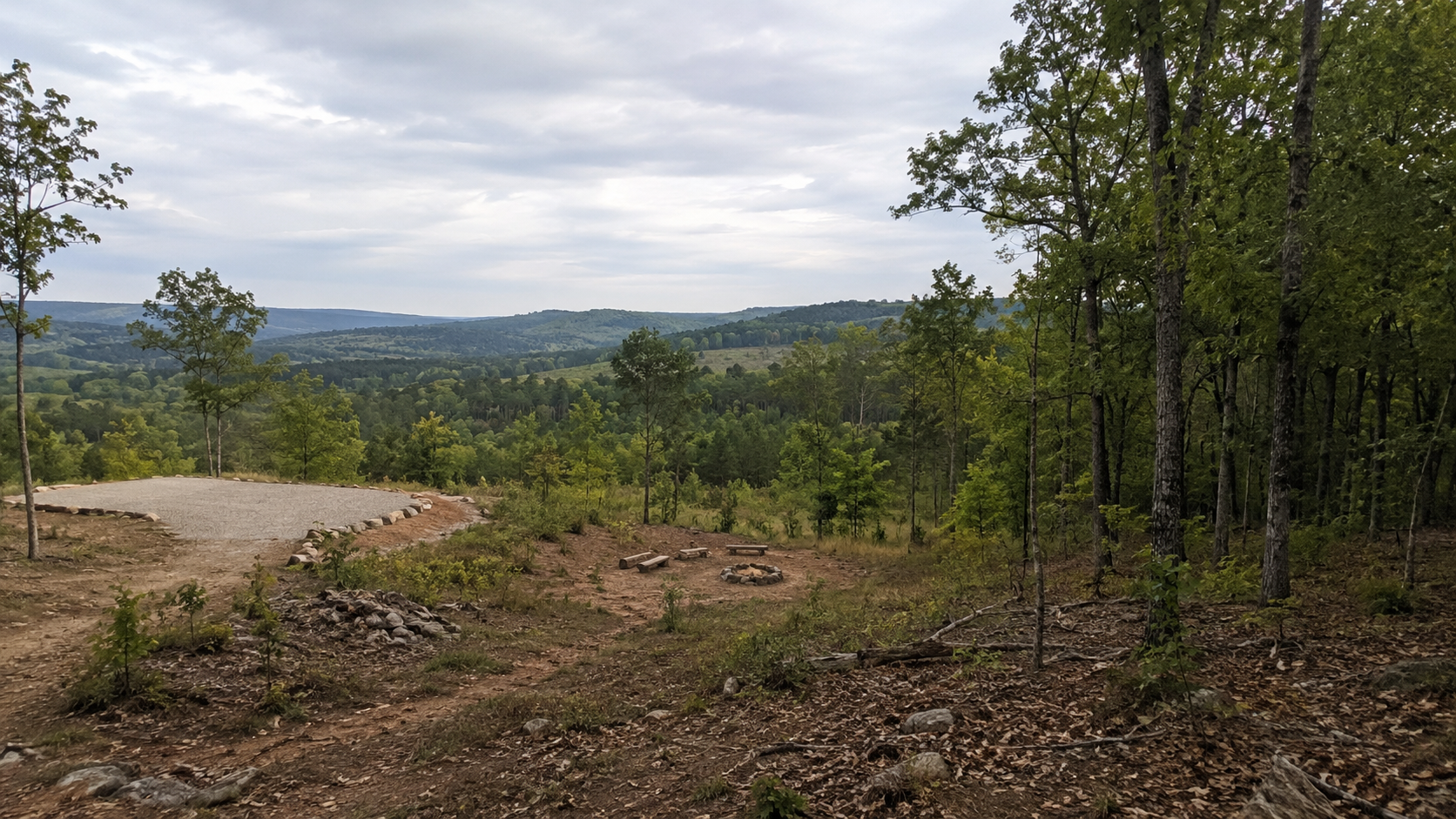
Why Restrictions Matter
Restrictions are one of the biggest factors in determining whether land fits a buyer’s plans.
Depending on the property, restrictions may come from:
County or municipal regulations
Subdivision covenants
Property owners’ association rules
Recorded deed restrictions
Zoning requirements
Health department or sanitation rules
Financing agreement terms
Restrictions are not always negative.
They can help maintain certain community standards, limit activities that could affect neighboring properties, or provide clarity about how an area is intended to develop.
The important part is knowing about them before you buy.
Do not assume that a rural location has no rules simply because it is outside a large city. Rural subdivisions and smaller communities can still have requirements affecting structures, RVs, camping, animals, mobile homes, short-term rentals, and property maintenance.
When a particular use is important to you, verify it with the appropriate local office, association, utility provider, or other governing source.
Why Access Changes Everything
Land needs more than a line on a map. You also need a practical and legal way to reach it.
There are two important types of access to consider:
Legal access
Legal access refers to whether you have a recognized legal right to reach the property. This may come from public-road frontage, a recorded easement, or another documented access arrangement.
Physical access
Physical access describes what is actually present on the ground.
A property may have legal access on paper but no improved road or driveway. A mapped road may be unmaintained, overgrown, steep, washed out, or difficult to identify.
Likewise, an existing trail does not automatically establish a legal right to use it.
Consider questions such as:
Does the property touch a public or maintained road?
Is the road paved, gravel, dirt, or unimproved?
Who maintains the road?
Is the road passable in wet weather?
Is there an existing driveway or entrance?
Would additional clearing or grading be needed?
Is an easement recorded?
Can the parcel be located clearly from the road?
Access affects not only whether you can visit the property, but also future construction, utility installation, emergency services, maintenance, and resale.
For a deeper explanation, see our guide on [How to Tell If Rural Land Is Actually Usable Before You Buy].
Utilities Can Affect Your Timeline and Budget
Utility needs vary depending on how you plan to use the land.
Someone purchasing land as a long-term investment may not need immediate utility access. A buyer planning a full-time home will likely need much more detailed information.
Possible utility considerations include:
Electric service
Public water
Private wells
Municipal sewer
Septic systems
Internet or cellular coverage
Propane
Trash service
Vacant land listings may use phrases such as “utilities nearby” or “utilities available in the area.” Those phrases should be treated as starting points for further research, not guarantees of connection or cost.
Ask the appropriate utility providers:
Is service available at this parcel?
Where is the nearest connection point?
Are extensions required?
What permits or deposits are needed?
Are there capacity or installation limitations?
Can they provide a rough estimate of connection costs?
For septic systems or wells, you may also need information from the county, health department, licensed contractors, or other local professionals.
Terrain and Property Condition Matter
A parcel can look flat on an online map while having noticeable slope, drainage patterns, rock, dense vegetation, or other physical features.
Terrain affects different buyers in different ways.
A sloped wooded property might be appealing for privacy or recreation. A buyer planning a home, driveway, garden, or large parking area may prefer more level ground.
When evaluating terrain, consider:
Overall slope
Drainage patterns
Low or wet areas
Flood-zone information
Rock or soil conditions
Tree and brush coverage
Existing clearings
Road elevation
Potential driveway placement
Space for septic, structures, or other improvements
Whenever practical, visit the property before buying. Walk as much of it as safely possible, look at the surrounding land, and compare what you see with the parcel maps and listing information.
Photos and satellite images are helpful, but they do not always show current vegetation, seasonal water, road conditions, boundaries, or elevation changes clearly.
How to Compare Two Properties Fairly
Buyers often compare land using only acreage and price.
For example:
Property A: one acre for $4,000
Property B: half an acre for $5,000
At first glance, Property A may appear to be the better deal.
But suppose Property A has no improved road, uncertain access, steep terrain, and no nearby utilities. Property B has maintained road frontage, more level terrain, nearby utilities, and rules that support the buyer’s future plans.
For that particular buyer, Property B may provide more practical value even though it is smaller and costs more.
A better comparison looks at:
Question: Property A Property B
Does it fit my intended use? __________ __________
Is access documented? __________ __________
What is the road condition? __________ __________
What restrictions apply? __________ __________
Are utilities available? __________ __________
Does the terrain fit my plan? __________ __________
What ongoing taxes or fees apply? __________ __________
What additional work would be required? __________ __________
The goal is not to find a perfect property. Most rural land involves some tradeoffs.
The goal is to understand those tradeoffs before making a decision.
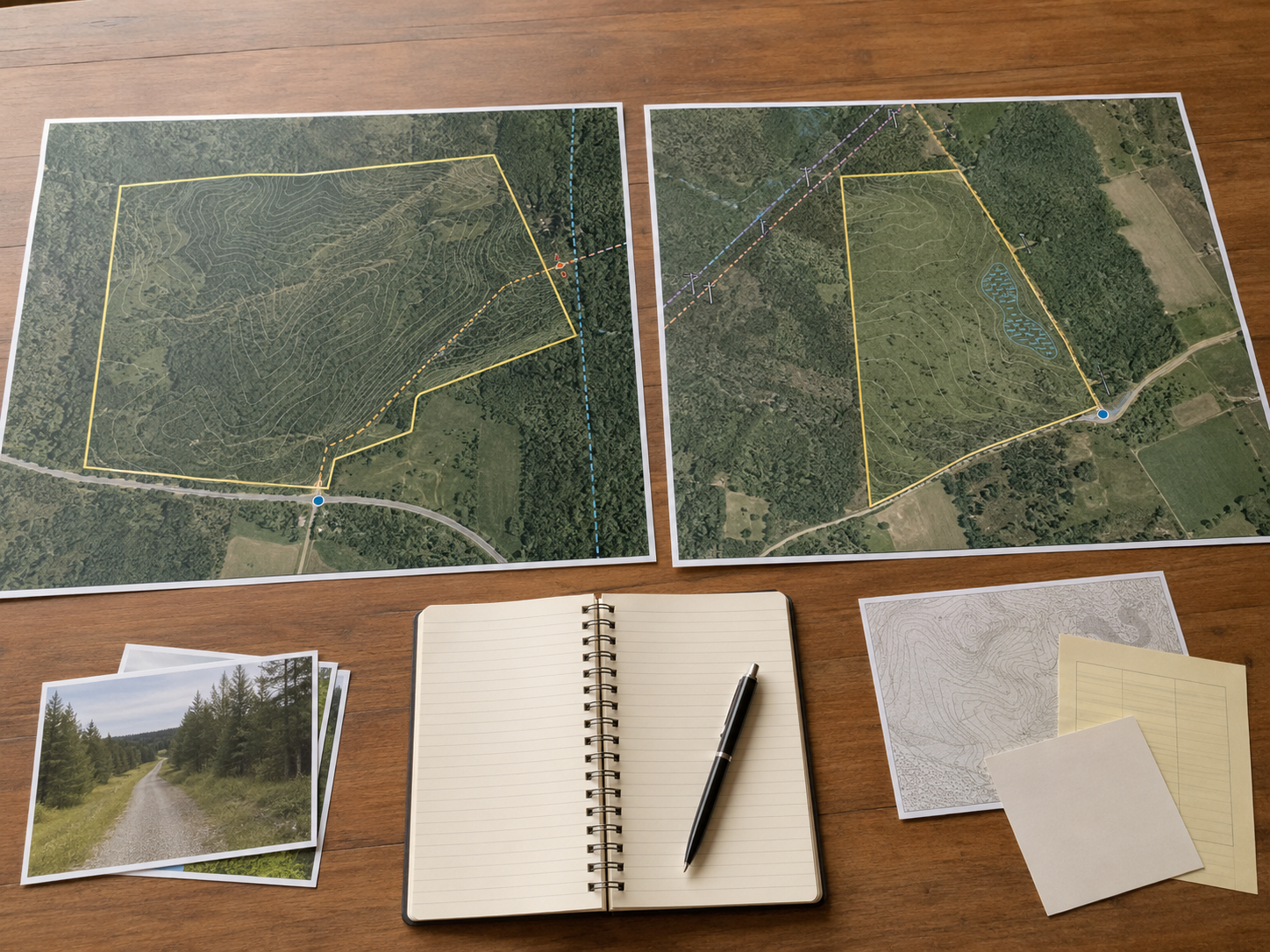
Ask Better Questions Before You Buy
Instead of asking only, “Is this land buildable?” or “Can I camp here?” begin with more specific questions:
What do I want to use the property for?
What rules affect that use?
Does the parcel have documented access?
What does the access look like on the ground?
Which utilities are important to me?
What information still needs to be verified?
Does the terrain support my plan?
What improvements would I need to make?
What taxes, association dues, or other fees apply?
Am I comfortable with the property’s limitations?
A responsible land seller should be willing to explain what is known about the property and identify details that the buyer should independently verify.
However, buyers should still complete their own due diligence. County offices, municipalities, utility companies, property owners’ associations, surveyors, title professionals, and licensed contractors may all play a role depending on the property and intended use.
Fit Matters More Than a Perfect Listing
Usable land does not have to be cleared, fully improved, unrestricted, or ready for construction tomorrow.
It simply needs to fit your purpose, expectations, budget, and timeline.
A small wooded lot may be exactly right for one buyer and unsuitable for another. Affordable land can be a worthwhile opportunity when the buyer understands what the property can—and cannot—realistically support.
Before choosing land, start with your goal. Then evaluate whether the property’s access, restrictions, utilities, terrain, and location support that goal.
That approach makes it easier to compare properties clearly and avoid buying land based only on price, acreage, or attractive photographs.
At Hopson Land Investments, we would rather help you ask the right questions than pressure you into a property that does not fit.
Have questions about a property or what you should verify? Contact Hopson Land Investments or browse our available land to begin comparing your options.
FAQs
Is all vacant land usable?
No. Vacant land may have access, terrain, utility, restriction, or local-rule issues that affect how it can be used. Whether a property is usable also depends on the buyer’s particular goal.
What should I decide before shopping for land?
Decide whether you want the land for future building, recreation, camping, investment, privacy, a weekend getaway, or another specific purpose. Knowing your goal makes it easier to evaluate whether a property fits.
Why does Hopson Land Investments ask buyers about their plans?
Understanding a buyer’s intended use helps us point out relevant property details and guide the buyer toward options that may be a better fit. Buyers should still independently verify important details before purchasing.